
Land Clearing Timing and Considerations
Land clearing involves removing trees, shrubs, and debris to prepare a site for construction, agriculture, or development projects. It is a critical step in land development that ensures a safe and suitable environment for future use. Proper timing of land clearing can impact project timelines and costs, making it essential to understand the optimal periods for such activities.
The optimal time for land clearing is typically during dry seasons when soil moisture levels are low. This reduces soil compaction and erosion, facilitating easier removal of vegetation and debris. In Boulder, CO, late spring through early fall often provides suitable conditions for land clearing.
Weather significantly influences land clearing activities. Rain can delay work due to muddy conditions, while drought periods can make vegetation more brittle and easier to remove. Monitoring local weather patterns helps determine the most suitable windows for land clearing projects.
Seasonal restrictions may apply to minimize environmental impact and comply with local regulations. In many areas, land clearing is preferred during dry, non-wet seasons to prevent soil erosion and protect nearby water bodies.
While technically possible, year-round land clearing may face challenges such as snow cover, frozen ground, or excessive rainfall. Planning around favorable weather conditions maximizes efficiency and safety.
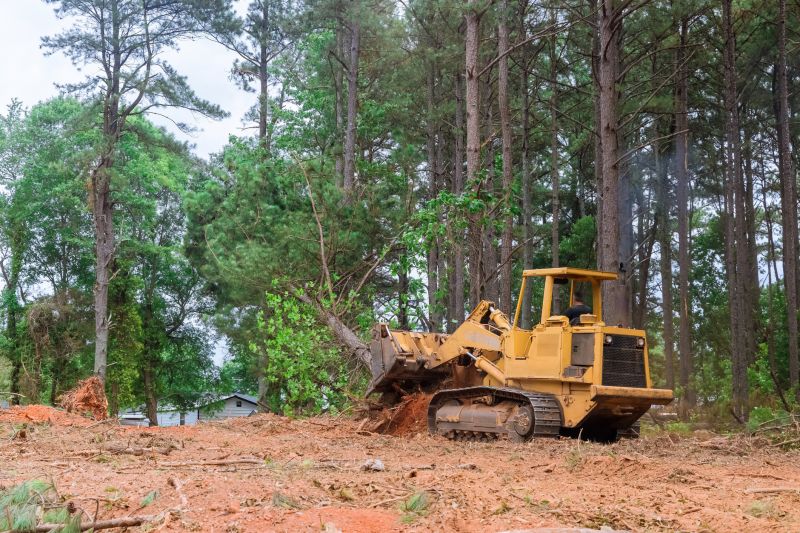
Heavy machinery removing trees and debris from a Boulder site.
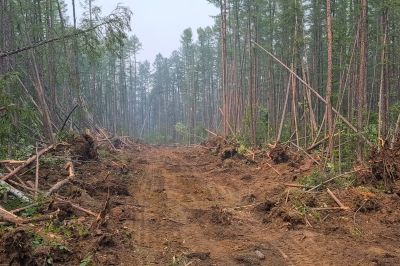
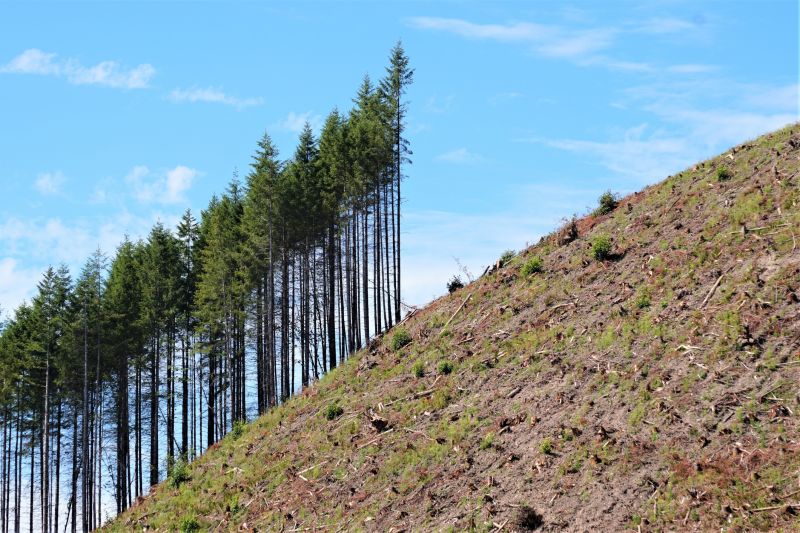
A cleared land site ready for development, showing minimal soil disturbance.
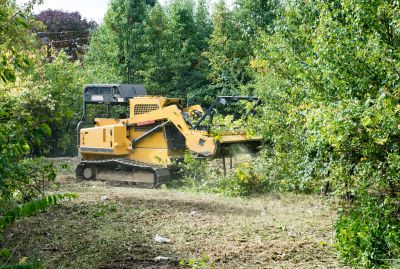
Workers and machinery clearing dense shrubs and undergrowth.
Ways to make Land Clearings work in tight or awkward layouts.
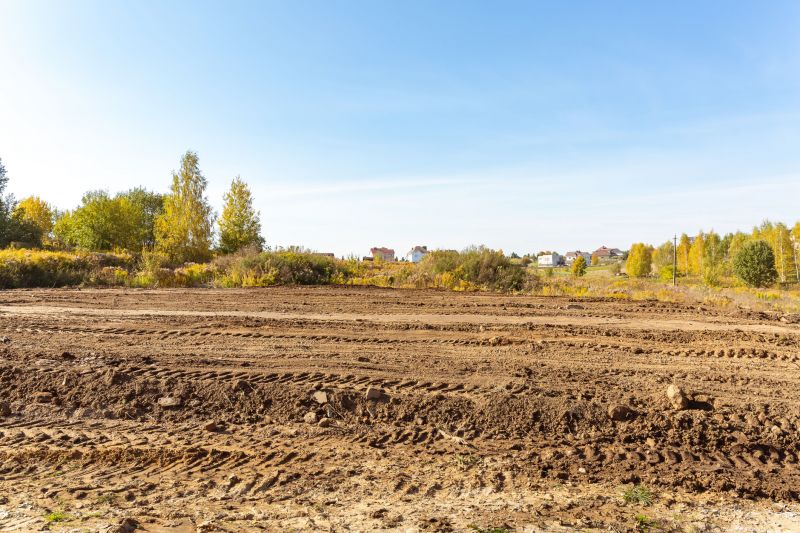
Popular materials for Land Clearings and why they hold up over time.
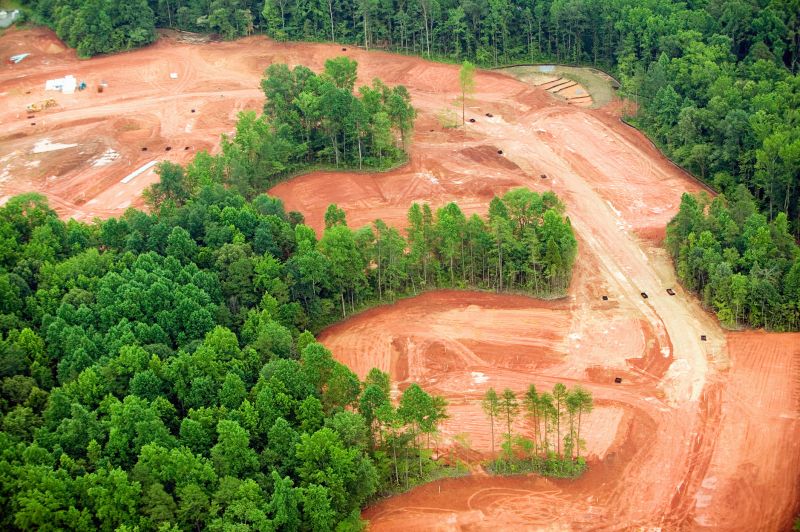
Simple add-ons that improve Land Clearings without blowing the budget.
| Best Time for Land Clearings | Key Considerations |
|---|---|
| Late spring to early fall | Dry weather reduces soil erosion and improves efficiency |
| Avoid winter months | Frozen ground and snow hinder access and work quality |
| Post-rainy season | Soil is too wet, causing delays and soil compaction |
| During drought periods | Vegetation is brittle and easier to remove |
| Monitor local weather | Ensures optimal conditions for safety and effectiveness |
Land clearings are a fundamental part of preparing a site for construction, agriculture, or other development activities. Proper timing ensures that the process is efficient, cost-effective, and minimizes environmental impact. In Boulder, Colorado, understanding local climate patterns helps identify the best periods for land clearing, typically during dry seasons when soil conditions are favorable.
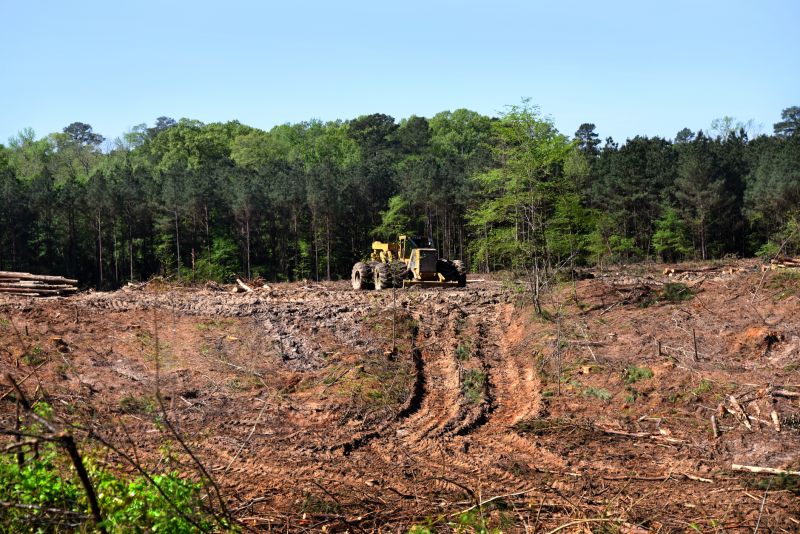
Heavy equipment removing trees and underbrush.
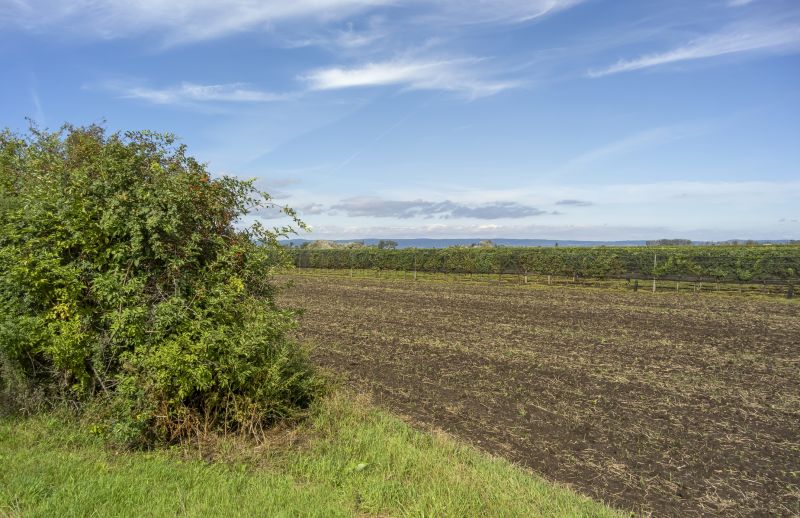
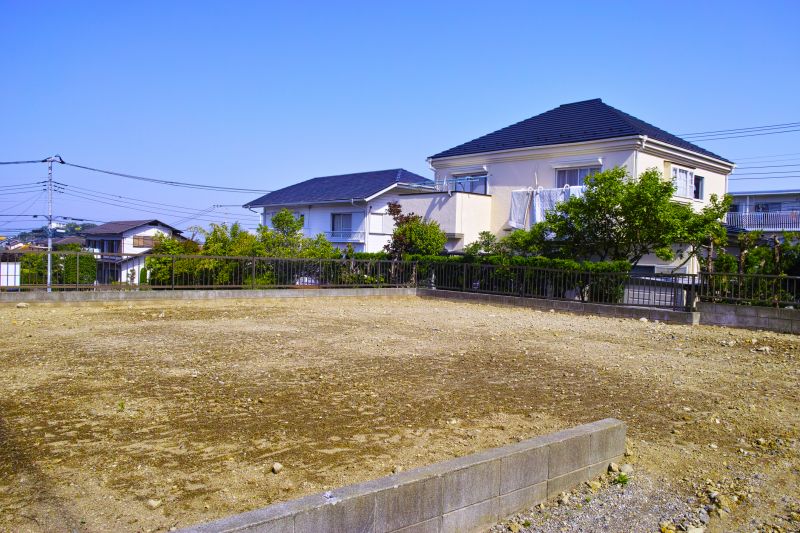
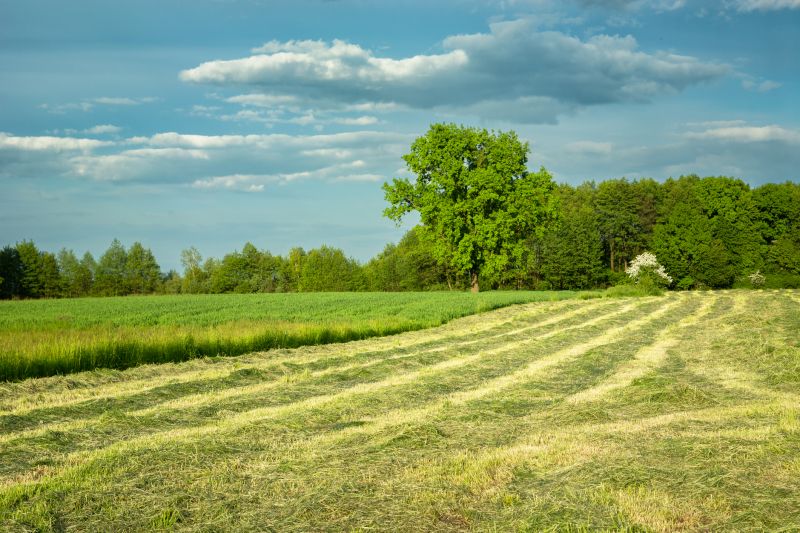
A cleared plot ready for development or planting.
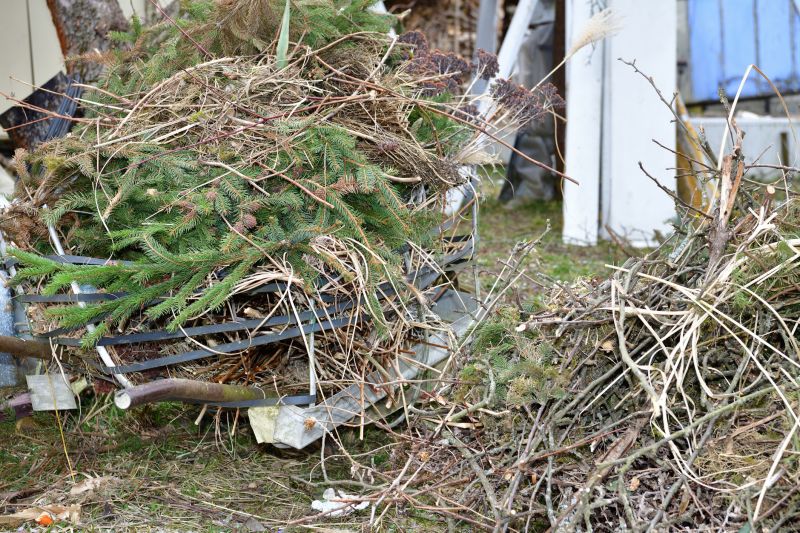
Branches and foliage collected post-removal.
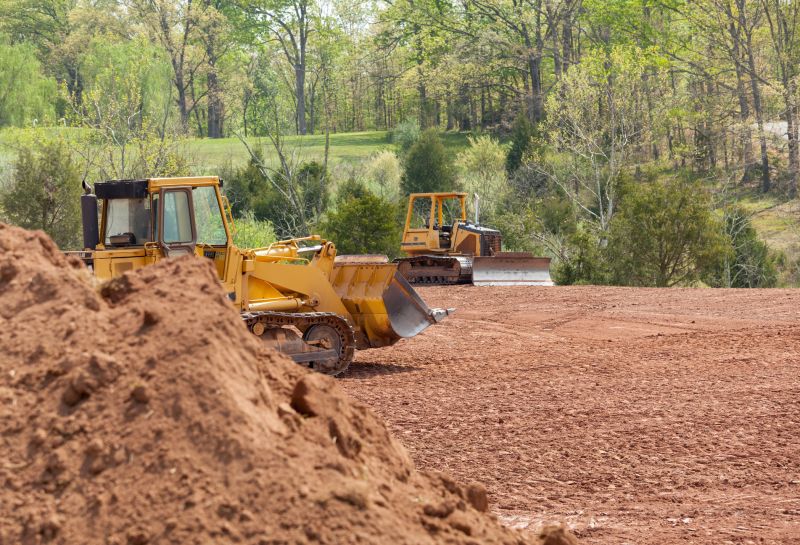
Workers and machinery actively working on site.
High-end options that actually feel worth it for Land Clearings.
Finishes and colors that play nicely with Land Clearings.

Little measurements that prevent headaches on Land Clearings day.

A 60-second routine that keeps Land Clearings looking new.
Interested in land clearing services? Filling out the contact form can provide more information on scheduling and planning for upcoming projects in Boulder, CO.